Post-Tooth Extraction Care: Essential Tips for a Smooth Recovery
Tooth extraction is a common dental procedure that helps improve oral health. Most extractions are straightforward, but as with any surgical procedure, there’s always a chance of complications such as bleeding, numbness, jaw stiffness, pain, or infection. Proper aftercare is key to ensuring a safe and speedy recovery.
- Controlling Bleeding
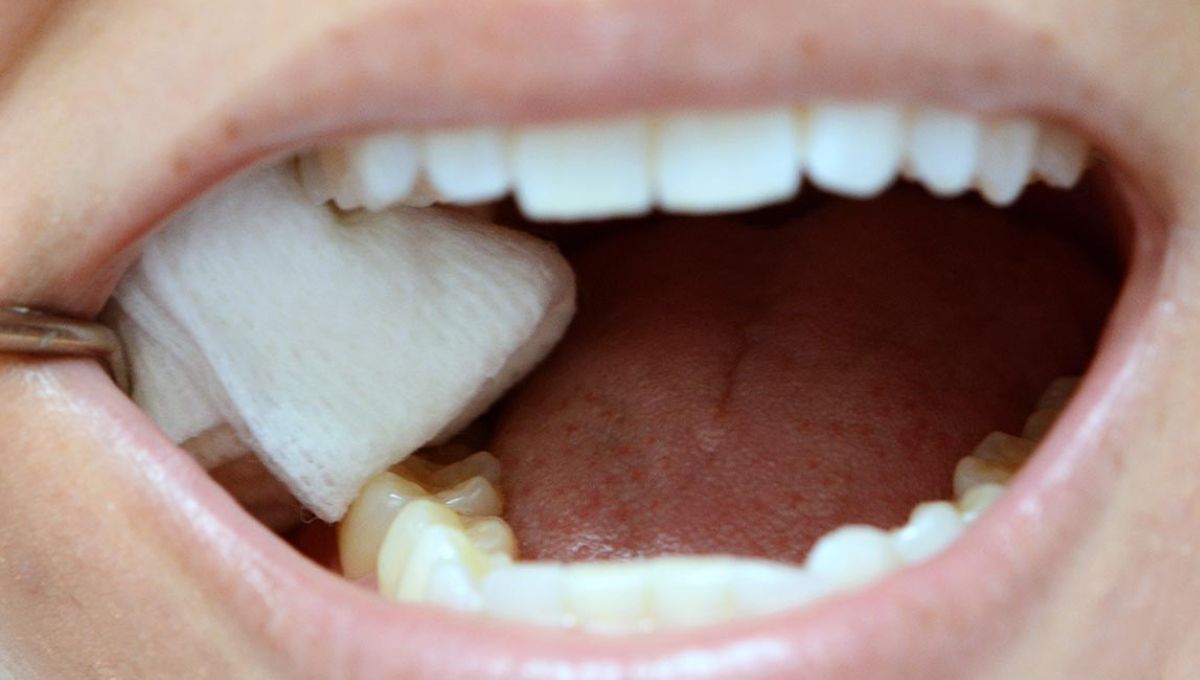
- Bite down firmly on the gauze placed by your dentist for 30–60 minutes to allow a blood clot to form.
- If bleeding continues, place a clean piece of gauze or a rolled-up clean cloth over the extraction site and bite down for 10 minutes.
- Avoid straws, smoking, and strong suction as these can dislodge the clot and cause complications.
- Managing Pain and Swelling
- Take prescribed or recommended pain medication exactly as directed. Avoid alcohol, as it can slow healing.
- Apply a cold compress to the outside of your cheek near the extraction site: 20 minutes on, 20 minutes off, several times during the first 24–48 hours.
- Sleep with your head slightly elevated to reduce swelling.
- Swelling usually peaks on the second day and gradually decreases within a week.
- Oral Hygiene
- For the first 24 hours, avoid rinsing forcefully, using alcohol-based mouthwash, or eating hot foods.
- After 24 hours, gently rinse your mouth with warm salt water (1 teaspoon of salt in a glass of warm water) 3–4 times a day, especially after meals.
- Brush your teeth twice daily with a soft-bristled toothbrush, avoiding the extraction site until healing has begun.
- Use alcohol-free mouthwash only if recommended by your dentist.
- Diet After Extraction
- Stick to soft, easy-to-chew foods such as soup, mashed potatoes, yogurt, scrambled eggs, pasta, oatmeal, pudding, or ice cream.
- Avoid hard, crunchy, spicy, or very hot foods until your gums have healed.
- Stay well-hydrated, but don’t use straws.
- Physical Activity
- Avoid strenuous activity, sports, or heavy lifting for at least 5–7 days.
- Excessive effort can disrupt clotting or reopen stitches.
- Follow-Up Visit
- Do not skip your follow-up appointment. Your dentist will check the healing process and rule out infection or other issues.
- Keep your teeth clean before the visit and write down any questions or concerns you’d like to discuss.
- Warning Signs of Complications
- Contact your dentist right away if you notice:
- Severe pain that worsens after the second day (possible sign of dry socket).
- Excessive bleeding that does not stop with pressure.
- Swelling that increases after the third day.
- Fever above 38°C, foul odor, or pus.
- Persistent numbness, pain, or tingling in the lips, chin, or tongue.
- Final Thoughts
- Recovering from a tooth extraction takes care and patience. Follow these steps: control bleeding, manage pain and swelling, maintain proper oral hygiene, stick to a soft diet, and avoid smoking or strenuous activity. If something doesn’t feel right, don’t wait—contact your dentist immediate.